Discovering Daddy Calligraphy: The Handwritten Font That Radiates Joy and Warmth
In the world of graphic design and typography, the choice of font is rarely just about legibility; it is about emotion. When a designer selects a typeface, they are choosing a voice. For projects that demand a sense of intimacy, celebration, and human touch, rigid geometric fonts often fall short. This is where the artistry of handwritten typography comes into play, offering a bridge between digital precision and organic warmth. Among the many options available to creatives, Daddy Calligraphy stands out as a particularly charming and delightful solution. It is a handwritten display font designed to radiate friendliness with every stroke, making it a versatile tool for anyone looking to infuse their work with character and joy.
The Challenge of Capturing Authenticity
Digital design has made incredible strides, but it often faces a specific hurdle: the "coldness" of the screen. When creating wedding invitations, greeting cards, or branding for lifestyle products, designers need to evoke a feeling of personal connection. A standard serif or sans-serif font can look professional, but it rarely feels "homemade" or sentimental. The challenge lies in finding a typeface that possesses the irregularities and flow of natural handwriting without sacrificing readability or elegance.
Many designers struggle to find a balance. Fonts that are too script-heavy become illegible, while those that are too neat lose their whimsical charm. There is a distinct need for a font that bridges the gap between sweet cuteness and exciting fun. Projects often require a typeface that feels approachable and lighthearted, yet sophisticated enough for formal occasions like weddings. This is the specific niche that Daddy Calligraphy fills, offering a solution that feels both spontaneous and carefully crafted.
What Makes Daddy Calligraphy Unique?
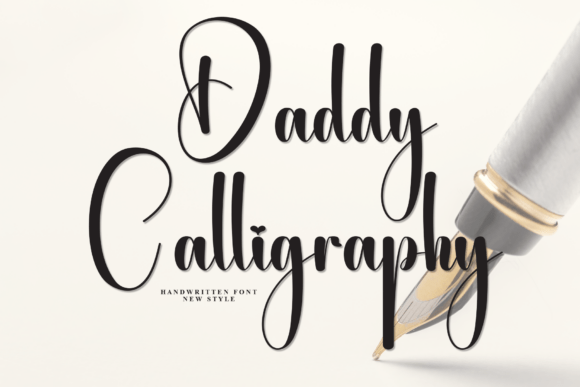
Daddy Calligraphy is more than just a collection of letters; it is a burst of character. The font is characterized by its fluid, handwritten aesthetic that mimics the natural motion of a pen on paper. It is designed to be a display font, meaning it shines brightest when used for headlines, titles, and focal points in a design. The strokes are confident yet playful, creating a rhythm that guides the viewer’s eye naturally across the page.
The defining trait of this font is its ability to radiate friendliness. In typography psychology, rounded and slightly irregular forms are often associated with trust and warmth. Daddy Calligraphy leverages this by offering a style that is undeniably sweet but avoids being overly childish. It strikes an ideal balance, making it suitable for a wide demographic. Whether the goal is to create a "sprightly and enjoyable touch" for a children’s party invite or a sophisticated yet relaxed vibe for a boutique logo, the font adapts to the context.
Practical Applications and Real-World Scenarios
The true value of any font lies in its implementation. Daddy Calligraphy excels in scenarios where the designer wants to evoke an emotional response. Here are some of the most effective ways to utilize this font to address common design needs:
Wedding Invitations and Stationery
Weddings are perhaps the most common use case for calligraphy fonts, but the market is saturated with scripts that look either too traditional or too generic. Daddy Calligraphy offers a modern alternative. It captures the excitement and joy of the occasion without looking stiff. For couples planning a rustic, bohemian, or garden-themed wedding, this font provides the perfect handwritten look for save-the-dates, menus, and place cards. It helps set a tone that is celebratory and relaxed, ensuring guests feel welcomed before they even arrive.
Greeting Cards and Personal Notes
In an era of digital communication, a physical card holds significant weight. However, a card printed with a standard Arial or Times New Roman font can feel impersonal. Using Daddy Calligraphy transforms a simple piece of cardstock into a heartfelt message. The font’s "bursting with character" nature makes the text feel as if it were written by hand by the sender, adding a layer of sincerity to birthday wishes, thank-you notes, and holiday greetings.
Branding for Lifestyle and Creative Businesses
For small business owners, particularly those in the bakery, floral, or artisan sectors, branding is about storytelling. Daddy Calligraphy can be a powerful asset in a brand’s visual identity. It works beautifully for logos, packaging headers, and social media graphics. The font suggests that the product inside is crafted with care, love, and a personal touch. It moves a brand away from corporate sterility and toward a more human, community-focused image.
Implementation: Getting the Most Out of the Font
While Daddy Calligraphy is inherently beautiful, effective implementation requires some design sensibility. To ensure the font enhances rather than hinders a project, consider the following practical recommendations:
- Size Matters: As a display font, Daddy Calligraphy is best used at larger sizes. Using it for long paragraphs of body text can be difficult to read. Instead, pair it with a clean, neutral sans-serif font for the body copy. This contrast allows the calligraphy to stand out as a headline while maintaining readability for the details.
- Color Psychology: The font pairs well with soft, pastel palettes to emphasize its sweet and cute side. Alternatively, using high-contrast colors like deep navy or charcoal against a light background can make the font feel more modern and exciting.
- Spacing and Kerning: Handwritten fonts often benefit from generous letter spacing (tracking). Giving the letters of Daddy Calligraphy a little room to breathe enhances the airy, joyful feeling of the text. It prevents the design from looking cluttered and allows each stroke to be appreciated.
- Contextual Awareness: Always consider the audience. While the font is versatile, its "sprightly" nature leans more towards celebratory and casual contexts. For very serious corporate reports or legal documents, it may not be the appropriate choice. However, for any project aiming to spark happiness, it is an ideal candidate.
Tailoring the Experience for Different Users
Different users will approach Daddy Calligraphy with different goals, and the font accommodates these varying needs effectively.
The DIY Enthusiast: For individuals creating personal projects, such as a birthday banner or a scrapbook, Daddy Calligraphy is user-friendly. It requires no advanced software skills to look good. Simply typing out the text instantly adds a professional, artistic flair to a homemade project.
The Professional Designer: For the seasoned graphic designer, this font serves as a versatile asset in their library. They may use it for a specific client project requiring a "friendly" aesthetic or mix and match it with other fonts to create complex typographic hierarchies. The font’s consistent baseline and unique character shapes allow for creative experimentation in logo design and layout.
The Small Business Owner: For the entrepreneur, the font is a branding tool. It helps them communicate their brand values—warmth, quality, and personality—without needing to hire a custom calligrapher for every piece of marketing material. It provides a consistent handwritten voice across their website, social media, and physical products.
The Outcome: Designs That Connect
The ultimate goal of using a font like Daddy Calligraphy is to create designs that connect with people on a human level. In a digital landscape that can often feel overwhelming and impersonal, this font offers a moment of warmth. It infuses designs with a sense of joy and playfulness that is infectious.
By choosing Daddy Calligraphy, designers and creators are not just selecting a typeface; they are choosing a mood. They are opting for a visual language that says, "Welcome," "Celebrate," and "Enjoy." Whether it is the centerpiece of a wedding invitation or the signature touch on a boutique label, this font delivers on its promise to be charming, delightful, and bursting with character. It is a reminder that even in the digital age, the human touch remains the most powerful design element of all.